Garden Clearance Holborn: Recycling and Sustainability Commitment
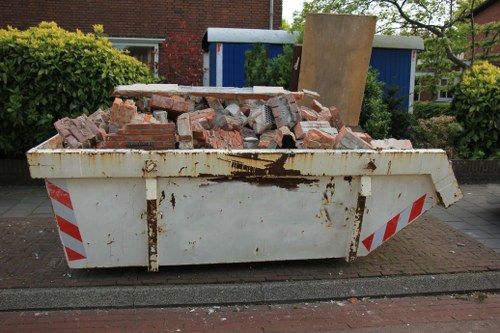 At Garden Clearance Holborn we place sustainable rubbish area management and an eco-friendly waste disposal area at the heart of every clearance. Our Holborn garden clearance services prioritise re-use, responsible recycling and careful sorting on site so that as much material as possible is diverted from landfill. We follow a local-first approach that mirrors borough best practice and supports a thriving sustainable neighbourhood.
We work to a clear recycling percentage target: 70% reuse and recycling by 2028, with interim annual targets monitored and published internally. This target applies across garden clearance in Holborn operations, from green waste and soil to timber, metals and ceramics. Our teams are trained to separate materials at the point of collection to increase recovery rates and to reduce contamination in recycling streams.
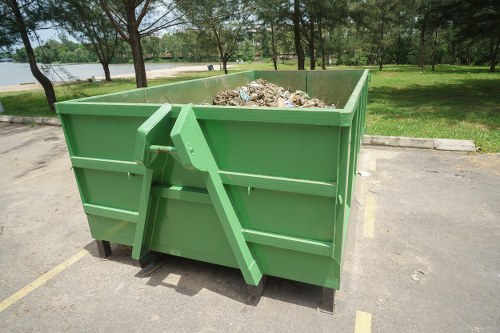 Our practices reflect the way local boroughs approach waste separation — encouraging source segregation of garden waste, food scraps, mixed dry recycling (paper, card, plastics and metals) and glass — and we collaborate with borough collection schemes where appropriate. By aligning Holborn garden clearance work with council guidance in central London boroughs such as Camden and the City of London, we ensure collected materials are compatible with local transfer stations and materials recovery facilities.
Local Transfer Stations and Materials Processing
We coordinate with nearby transfer stations and MRFs to guarantee responsible onward treatment. Our usual partners include local transfer stations serving central London and surrounding boroughs, which accept segregated green waste, woody biomass, masonry and salvaged metals. Where specialised processing is required — for example composting green waste or chipping wood for biomass — we route materials to dedicated facilities to maximise value and environmental benefit.
To maintain transparency we log loads and destinations for major material types, and we provide internal reports showing tonnage sent to reuse organisations, composting sites, recycling centres and responsibly authorised disposal points. That traceability helps us, and partners, measure progress toward our sustainable rubbish area ambitions and our stated recycling percentage target.
In addition to formal transfer stations we liaise with local reuse hubs and community-run processing points that accept suitable materials for repair, upcycling and redistribution, further reducing the pressure on official waste infrastructure and supporting circular-economy outcomes in Holborn and nearby streets.
Partnerships with Charities and Community Reuse
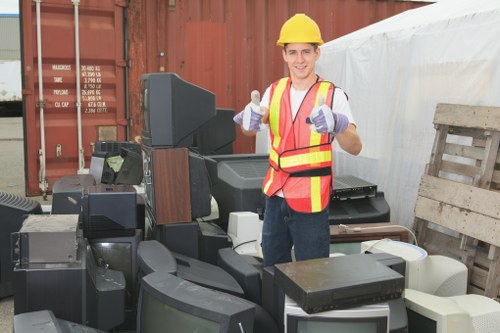 We maintain active partnerships with charities and local non-profits to extend the life of items recovered during garden clearance in Holborn. Usable furniture, garden tools, planters, reclaimed stone and timber are evaluated for donation to community groups, housing support charities and social enterprises specialising in reuse. Partner organisations help ensure items that can be refurbished or repurposed are given a second life rather than being processed as waste.
Typical charity and reuse pathways include small-scale community gardens, vocational training projects and regional furniture reuse schemes. These partnerships are selected based on environmental standards, social impact and the capacity to accept donated materials. Strong collaboration with charity partners is a key part of achieving our sustainable rubbish area goals.
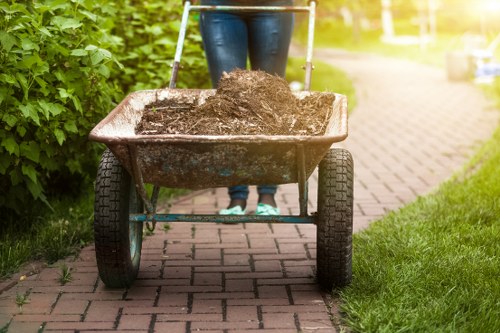
We also support local greening projects by supplying reclaimed soil, mulch and timber offcuts where appropriate, creating win-win outcomes that benefit neighbourhood biodiversity while keeping material streams in the local circular economy.
 Low-carbon logistics are central to how we operate across Holborn. Our vehicle fleet includes electric vans and a growing number of hybrid and Euro-6 low-emission vehicles designed to cut transport emissions. Route optimisation software reduces mileage and idling time, and drivers are trained in eco-driving techniques and cargo consolidation to minimise trips. These measures reduce the carbon footprint of every garden clearance in Holborn.
To underline our commitment we set fleet efficiency targets and monitor CO2e per job. Where electric vehicles cannot be used due to access or payload constraints, we prioritise the cleanest alternatives and maintain rigorous maintenance schedules to keep emissions as low as possible. Our objective is to operate a near-zero tailpipe emissions fleet for short urban trips by the end of the decade.
In day-to-day practice, sustainable rubbish area management also includes careful handling of hazardous items (e.g., contaminated soils, treated timber) through authorised channels, to avoid pollution and to comply with environmental regulations. Safety, legal compliance and environmental responsibility work together in our processes.
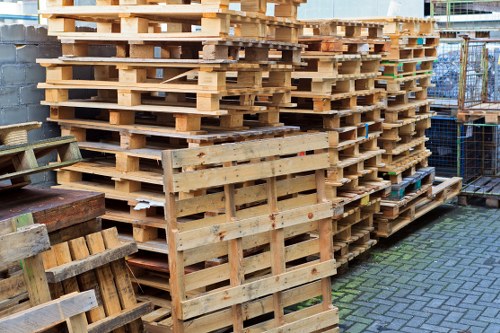 Practical small steps make a measurable difference in Holborn: pre-sort on site, separate compostable green waste, reclaim clean timber for reuse, and divert metals to authorised recyclers. We encourage customers and contractors to help by identifying items for donation before we arrive — this simple action increases the volume of material that can be redirected to charity or reuse pathways.
Our sustainable approach also covers continuous improvement: annual audits, regular team training on separation standards and updates to our partnership network for transfers and reuse. We publish internal metrics against our recycling percentage target and refine operations based on those outcomes. This keeps Garden Clearance Holborn accountable and focused on real, measurable reductions in landfill and carbon impact.
Finally, if you are interested in how Holborn garden clearance can contribute to a greener local area, consider the impact of choosing a clearance provider that prioritises an eco-friendly waste disposal area and a resilient sustainable rubbish area. Together with community partners, transfer stations and low-carbon logistics, our ongoing mission is to make garden clearance in Holborn a positive force for circularity and environmental improvement.