Garden Clearance in Holborn

Garden clearance in Holborn is about making outside spaces usable again with careful, practical removal of green waste, broken items and unwanted materials. We focus on clearing overgrown borders, tidying accumulated debris and taking away the material left behind after pruning, planting changes or general outdoor maintenance. The aim is straightforward: a cleaner, safer and easier-to-manage garden area, handled with attention to the space itself and the type of waste it contains.
We carry out garden clearance work for domestic and commercial outdoor spaces, from small courtyards to larger communal grounds. That can include cutting back and bagging green waste, lifting lightweight waste from sheds and patios, and removing awkward mixed items that no longer belong outside. If you need a broader tidy-up before replanting, redecoration or property use changes, our team can work through the area methodically so the site is left ready for the next stage.
For a clearer view of how we handle related waste types, you can also explore our garden clearance service and the wider options on waste removal. If the job involves several rooms or outdoor storage as part of the same project, it may also help to look at home clearance so you can judge which service grouping suits the work best.
What garden clearance can include
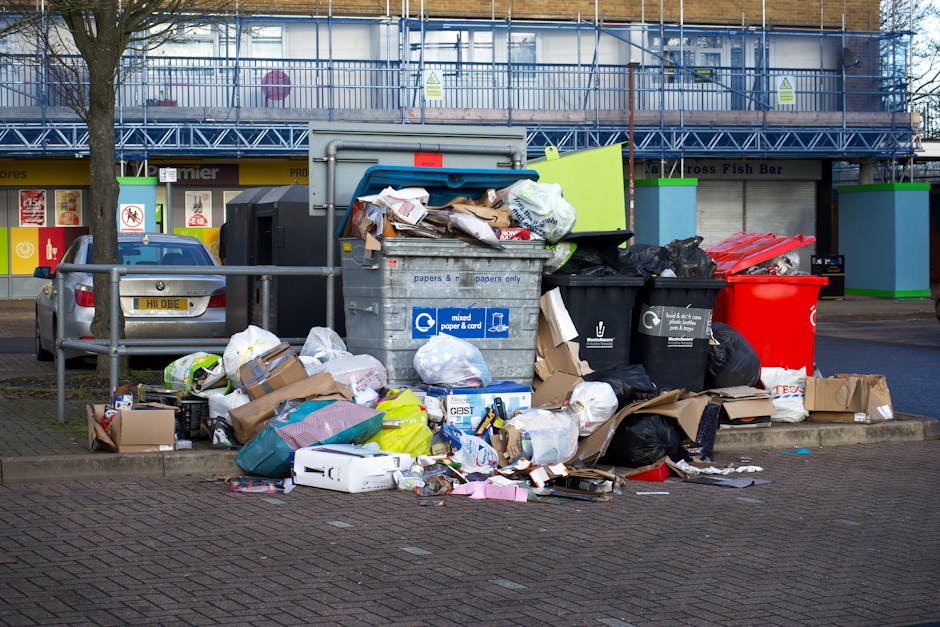
Our work in Holborn covers a practical range of tasks that are common in gardens, yards and shared outdoor areas. That may mean removing bags of leaves, branches and clippings after seasonal cutting, but it can also extend to broken planters, damaged garden furniture, plant pots, timber offcuts and other items that have been left behind over time. We separate green waste from mixed rubbish where possible and handle the loading so the site does not need repeated sorting by the customer.
Some clearances are mainly about restoring access. Narrow side returns, bin stores, rear patios and basement lightwells can become difficult to use when they fill with waste, tools or old outdoor materials. In those cases, a tidy clearance is often less about appearance and more about making movement, storage and maintenance simpler again. We work carefully around paving, fencing, planting beds and hard surfaces so that the useful parts of the garden are not disturbed unnecessarily.
Useful examples of what may be removed include:
- hedge cuttings, grass cuttings and leaf fall
- broken pots, planters and plant supports
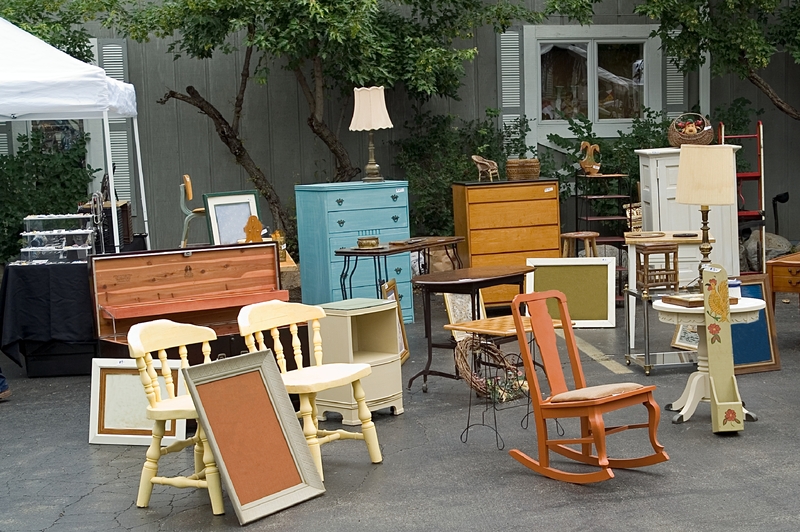
- damaged outdoor furniture and small fixtures
- old timber, trellis and lightweight shed contents
- general mixed rubbish collected from outdoor spaces
Handling overgrowth and bulky outdoor waste

When a garden has become overgrown, the clearance often begins with the most accessible waste so that paths, gates and working space can be opened up first. We can then deal with denser piles of vegetation, heavier bundles of cuttings and any non-plant material found among them. This staged approach is useful where the layout is tight or where the garden has multiple sections, because it makes the job more manageable and helps avoid unnecessary disturbance to surrounding features.
Bulky outdoor waste needs careful judgement, especially if it includes awkward items such as broken benches, rusted frames, storage boxes or damp timber. These materials may be heavy for their size or difficult to lift safely if they have deteriorated in the weather. We plan the removal route and handling method around the site, rather than forcing everything through the same process. That keeps the clearance more controlled and helps protect walls, paving and access points.
If your project also involves hard-wearing rubbish from outdoor works, the related page on builders waste clearance may be useful. For properties where the garden is only one part of a broader clear-out, flat clearance can also give you a sense of how separate spaces are organised into one practical removal plan.
Gardens attached to homes, flats and shared properties
Not every outdoor area works in the same way. A private garden behind a house may have direct access and room for sorting, while a flat’s shared terrace or courtyard can require a more careful approach to shared entrances, neighbour access and limited loading space. We keep the work proportionate to the layout, which means adjusting how the clearance is carried out rather than treating every site as though it were the same.
Shared outdoor areas can also involve mixed responsibility: one part may be planted, another used for bins or storage, and another simply neglected for a long period. In those situations it helps to identify what should be kept before any removal starts. The clearer that distinction is at the beginning, the smoother the clearance tends to be. We can deal with the unwanted material while leaving the remaining useful items in place and avoiding unnecessary disruption.
For customers comparing related property clearances, house clearance and garage clearance are both sensible references when outdoor waste sits alongside indoor or storage-area items. If the project is mainly about furniture or larger domestic items that have ended up outside, furniture clearance may be a more suitable starting point.
How we approach sorting, loading and disposal

Good clearance work depends on sorting before loading, not after. Green waste, treated timber, mixed rubbish and reusable outdoor items may each need a different route, so we separate materials where practical and keep the load organised. That is useful for efficiency, but it also helps support more appropriate disposal choices. When a garden contains both vegetation and general waste, a thoughtful approach can save time and reduce confusion on site.
We also consider how the waste has been stored. Wet garden waste can compact quickly, while dry clippings can look larger than they are. Some items may break apart if lifted too early, and others may be safer moved in sections. Careful handling matters because outdoor waste often contains splinters, thorns, sharp wire, broken plastic or hidden moisture. Working steadily rather than rushing through the clearance is usually the better option.
If you want to understand how we manage general and mixed loads, business waste removal and furniture disposal provide helpful examples of related removal categories. They are not the same as a garden clearance, but they show how we organise waste into sensible groups when different kinds of material are present in one job.
Pricing factors and quotation details
Garden clearance prices usually depend on the amount and type of material, how easy it is to reach, and whether the load contains mainly green waste or a mixture of outdoor rubbish. Access matters because a straightforward path from garden to vehicle is very different from a narrow passage, a top-floor terrace or a rear space with limited entry. The more mixed the waste, the more carefully it may need to be sorted and handled before removal.
When asking for a quotation, it helps to describe the visible waste, the size of the outdoor area and any access points that could affect the work. A brief outline of what needs removing is normally enough to begin with, and clear information about gates, steps, shared entrances or restricted parking can make the estimate more accurate. If the garden includes items that may be difficult to lift or dismantle, mentioning them early is useful too.
If you are comparing costs across different kinds of clearance, take a look at pricing and quotes. For customers who also want to understand how we handle payments and secure processing, payment and security is available as a supporting page.
Preparing a garden clearance enquiry
A clear enquiry usually starts with a simple description of the space and the waste. If you can indicate whether the job involves mostly green waste, mixed rubbish or bulky outdoor items, it helps us shape the work more accurately. Photos can be useful, but they are not the only way to explain the site. A written summary of access, item type and the approximate amount of material is often enough to begin a quotation conversation.
It is also helpful to mention whether the area is private, shared or part of a managed property, because that can affect timing and access arrangements. If there are items that should be kept aside, or if certain materials need extra care, including that detail at the start avoids confusion later. For example, some customers want one section of the garden left untouched while another is fully cleared, and that distinction is best made clearly before work begins.
When you are ready to move forward, send the details that best describe the space and ask for a quotation. If you want to read more about how enquiries are handled, contact us is the most direct route for a tailored response.
Outdoor clearances with a wider property plan
Many customers do not need the garden treated in isolation. A rear yard, garage, loft or spare room may all be part of the same tidy-up, and it can be more efficient to plan the work as a joined project rather than separate visits. That does not mean everything must be removed together, only that the clearances can be organised in the most sensible order. The outdoor section can be handled first, then the remaining internal or storage spaces dealt with in a way that suits the property.
Where there are multiple waste streams, choosing the right service page can help you identify the most relevant starting point. Our loft clearance page suits higher-level storage and accumulated household items, while office clearance is more appropriate where commercial interiors need clearing. For spaces that contain a mix of household and outside waste, furniture clearance and home clearance may both be useful points of comparison.
In practice, a joined plan is about sensible sequencing. Heavy items may need to come out before loose waste, and outdoor materials may need to be loaded before internal items if access is shared. A well-organised clearance keeps the process more manageable for everyone involved and reduces the chance of waste being moved more than once.
About Holborn
Holborn sits in central London between the West End and the City, and its character has been shaped by centuries of legal, commercial and cultural activity. The name is associated with one of the main historic routes through London, and the district today still combines busy streets, institutional buildings and pockets of older architecture. The area includes parts of the London Borough of Camden and the City of Westminster, with boundaries that touch a wide range of nearby districts rather than following a single simple edge. That mixed setting gives Holborn a varied streetscape, where larger modern office buildings stand alongside surviving Georgian and Victorian structures. Lincoln’s Inn Fields, one of London’s best-known public squares, lies nearby and provides a broad open space within the urban grain. The district is also close to the British Museum, while the legal quarter around the Inns of Court reflects the long-standing role of law in the area’s identity. Holborn Underground station is a major point of movement, linking the district to the wider transport network and reinforcing its position as a central meeting place rather than a self-contained enclave. Street life here is shaped by offices, courts, educational institutions, hotels and everyday local amenities, so the area feels busy during the week and more measured at other times. Even with heavy development, Holborn retains a sense of historical continuity through its named streets, squares and surviving landmarks. That blend of old and new is one reason the district remains easy to recognise, yet difficult to describe with a single simple label.
Choosing the right clearance for the site
Not every job needs the same level of intervention. A light tidy-up may only involve a few sacks of clippings and a broken chair, while a fuller clearance may involve layered waste, blocked access and materials that have been left for a long time. We look at the practical demands of the site and match the work to the amount and type of waste rather than forcing the project into a rigid pattern. That helps the service stay proportionate and easier to plan.
If you are deciding between clearing a garden, an outbuilding or an indoor storage area, it is worth comparing what is actually present rather than relying only on the name of the space. Outdoor waste often behaves differently from household clutter, especially when it has been exposed to weather, mud or plant growth. A careful assessment of the material type, access and intended outcome usually gives the best basis for choosing the right removal route.
For a broader look at similar services, garage clearance and furniture disposal are both helpful references. If your enquiry includes waste from repairs or maintenance, builders waste clearance may also be relevant to the same property project.
Final steps for a quotation request

Once you know what needs clearing, the final step is to share the most useful facts in one place. A short description of the waste, the approximate quantity and the layout of the space usually gives enough context for a useful response. If there are gates, steps, shared passages or other access points to note, include those as well. This is especially helpful where the garden is enclosed or where the route to the waste has to pass through another part of the property.
We aim to keep the enquiry process straightforward and practical. If your garden clearance is part of a wider property clean-up, say so at the start so the scope can be understood properly. If you only need the outside area dealt with, that is fine too. The main point is to give a clear picture of what needs removing so the quotation can reflect the actual work rather than a vague estimate. A good enquiry should make the next step simpler, not more complicated.
To request a quotation, send over the details of the garden clearance in Holborn and include any access notes that matter. You can also use our contact page when you are ready to discuss the work.